
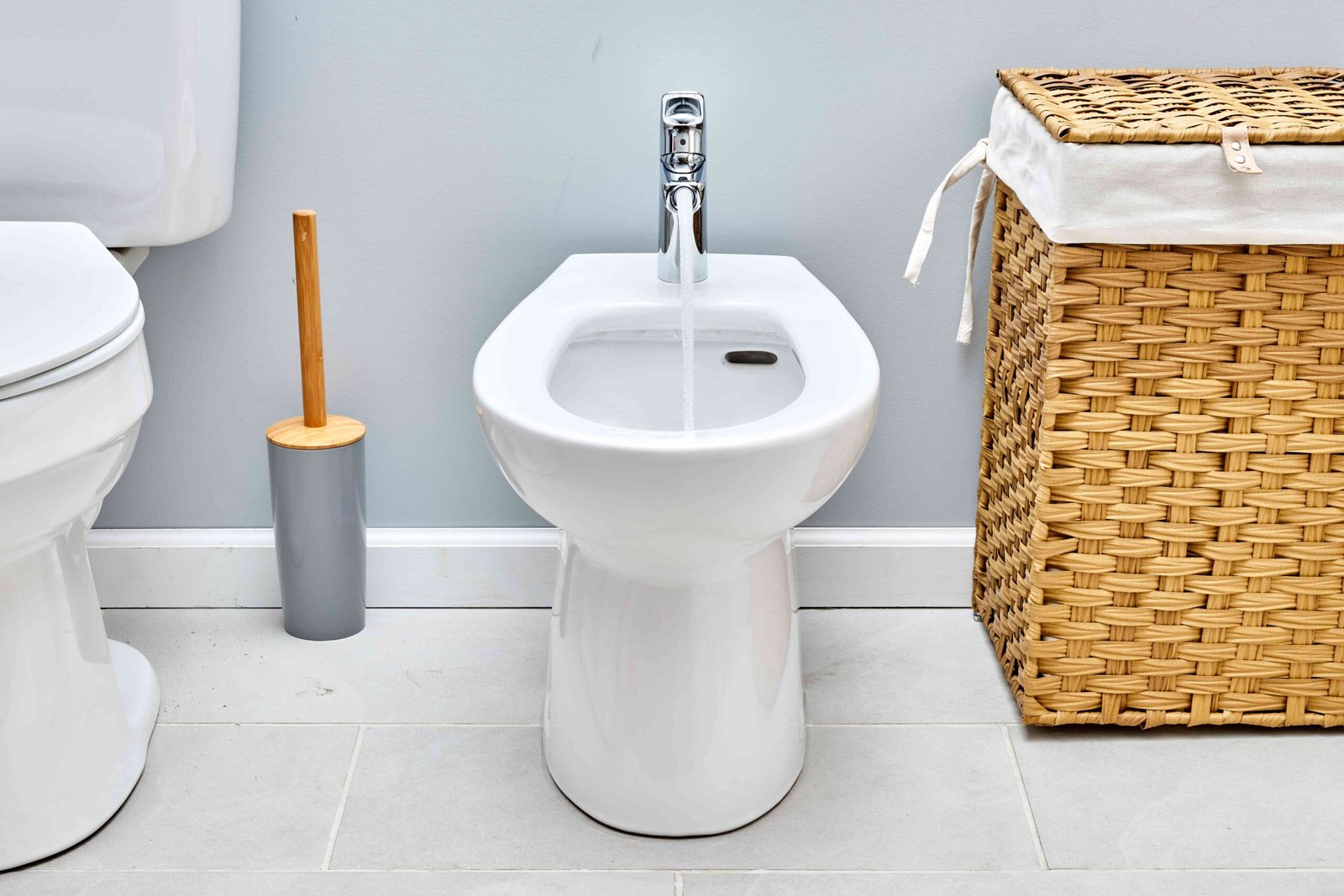
You finally installed that bidet attachment you saw on sale during a late-night Amazon scroll. The water pressure is perfect. Your bathroom feels fancy. And then you stand up and realize nobody warned you about the drying part.
I’ve been remodeling bathrooms and helping neighbors pick out fixtures for over a decade, and I’ll tell you a secret: the bidet itself is the easy part. Figuring out what to do with a wet backside without dripping all over your floor or rationing toilet paper like it’s the apocalypse? That’s where most people get stuck.
I made every mistake possible when I first switched over. I used regular bath towels (gross, don’t), I tried air-drying while doing a weird squat-stretch thing that nearly threw out my back, and I went through an embarrassing amount of toilet paper trying to mimic my old routine. Let’s skip all that for you.
Why Drying Off Properly After a Bidet Actually Matters
This isn’t just about comfort. Staying damp down there for too long can lead to skin irritation, chafing, and in some cases, a friendlier environment for bacteria and yeast than you’d want. Moisture sitting against skin for hours is a recipe for discomfort, especially if you’re sitting at a desk all day after your morning routine.
I learned this the hard way during a kitchen remodel that ran long. I was rushing, didn’t dry off completely, and spent the rest of the day low-key uncomfortable. Lesson learned: drying matters as much as the wash.
There’s also the practical home-care side of things. A wet bathroom floor from drip-off is how someone slips, and it’s how your grout starts growing mildew you didn’t ask for. Getting your drying method dialed in protects your skin and your house.
Option 1: Bidet Towels Are the Move (Here’s Why)
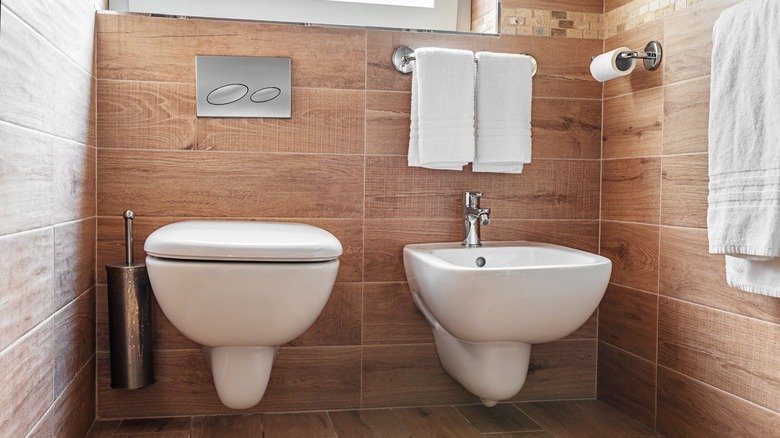
If you only take one thing from this article, let it be this: get dedicated bidet towels. Not bath towels, not hand towels repurposed from the linen closet. Small, designated cloths that exist for one job only.
I’ve found that most people resist this idea at first because it sounds like extra laundry. It is extra laundry, but it’s a small load you can toss in with towels you’re already washing. The towels I recommend are small, about the size of a washcloth, made from a quick-dry fabric like bamboo or a tight-weave cotton blend.
Here’s how to set this up the right way:
- Buy a set of 6 to 12 small cloths (washcloth size, not full towels).
- Designate a specific color or pattern so they don’t get mixed up with face towels.
- Keep them in a small bin or basket next to the toilet, not in your main linen closet.
- Set up a separate “dirty” bin nearby for used ones.
- Wash on hot with a bit of vinegar in the rinse cycle every two to three days.
The reason this works better than toilet paper is simple: cloth dries skin faster and with way less friction. Toilet paper, especially the cheap stuff, basically just smears moisture around and falls apart while you’re trying to use it. I’ve seen people go through half a roll trying to get fully dry, which is wasteful and honestly not that effective.
One thing people ask me constantly: is this sanitary? Yes, as long as you’re washing them regularly and not sharing a single cloth among your whole household without a system. Treat them like washcloths, because that’s exactly what they are.
Option 2: A Bidet-Specific Dryer Attachment
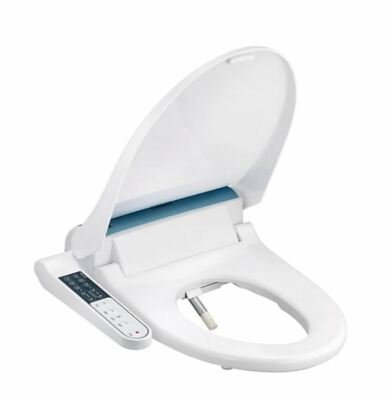
If you’re the type who upgraded your bidet seat to one with heated settings, you might already have a built-in air dryer. If you don’t, you can buy bidet seats or attachments that include a warm air drying function as a separate setting.
I’ll be straight with you: this is the laziest option, and I mean that as a compliment. You sit, you wash, you press a button, warm air does the rest. No towels, no laundry, no toilet paper math.
The downside is time. Air drying takes anywhere from 30 seconds to a couple of minutes depending on the unit, and some of the cheaper models barely produce enough airflow to dry a sneeze, let alone actual moisture. I tested three budget attachments during a bathroom renovation project last year, and only one of them actually got the job done without me needing a backup towel anyway.
If you’re shopping for a unit with a dryer function, look for these things:
- Adjustable temperature settings (you do not want a one-temp-fits-all situation)
- At least 2 fan speed options
- A timer or auto-shutoff so you’re not standing there forever
This option costs more upfront, usually $150 to $400 depending on features, but it eliminates ongoing towel laundry. Run the math based on how much you already spend on toilet paper and decide if it’s worth it for your household.
Option 3: Toilet Paper, But Smarter
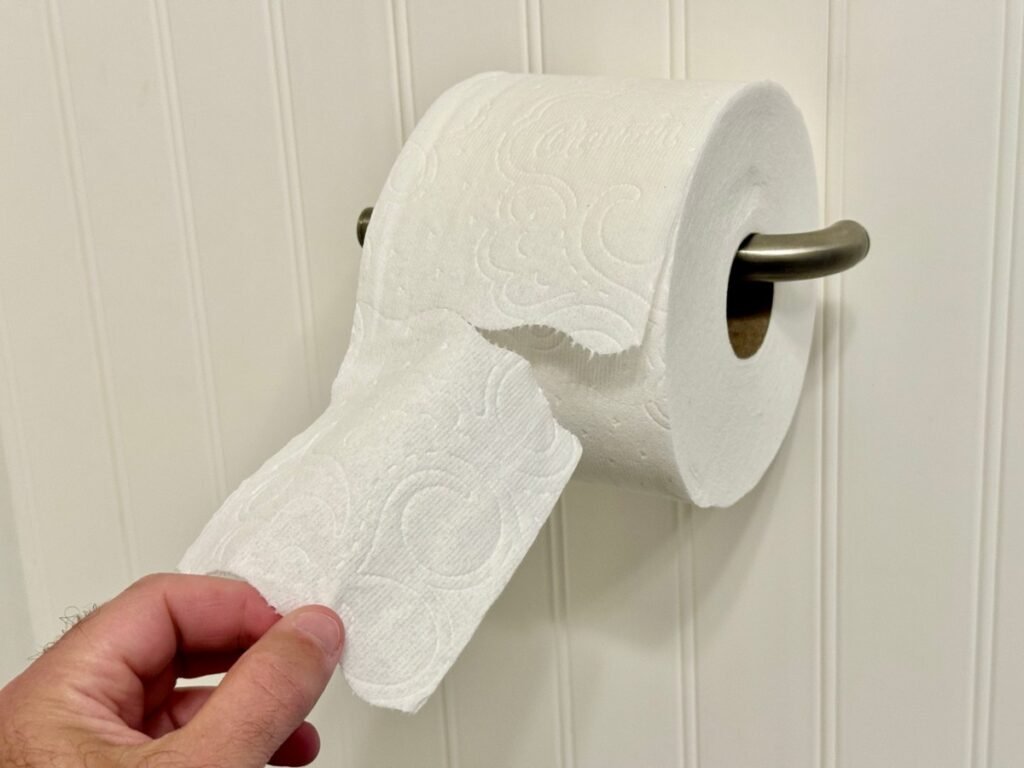
I’m not going to pretend toilet paper is dead. Plenty of people still want it as a backup or primary method, and that’s fine. But there’s a right way and a wrong way to use it after a bidet.
The wrong way is wiping the same way you did before, like the bidet didn’t happen. The right way is patting, not wiping, because you’re removing residual water, not actual mess. The bidet already did the heavy lifting.
Here’s the smarter approach:
- Fold a few squares into a small pad instead of wadding them up.
- Pat gently in one direction, don’t scrub or rub.
- Use a fresh section for each pat, just like you would normally.
- Stop once the paper comes away mostly dry, usually after 2 to 3 pats.
This uses dramatically less paper than people expect, which is honestly one of the financial perks of having a bidet in the first place. I’ve talked to neighbors who cut their toilet paper purchases by more than half after switching, simply because they’re patting dry instead of doing the full wipe routine.
One quick side note: skip the “flushable” wipes entirely, bidet or not. They’re notorious for clogging pipes and causing plumbing nightmares, and I’ve personally pulled enough of them out of a clogged main line to never recommend them to anyone.
Option 4: Hybrid Method (My Personal Favorite)
Here’s what I actually do at home, because I’m picky and indecisive apparently. I use the bidet, pat with a small reusable cloth for the bulk of the drying, and let the last bit air dry for 15 to 20 seconds while I wash my hands or brush my teeth.
This combo gets you the speed of a towel with the just barely lingering benefit of air exposure, which I find more comfortable than fully relying on either one alone. It also means my cloth bin doesn’t fill up as fast since I’m not using a fresh one every single time for full drying duty.
If you want to try this method, here’s the simple version:
- Wash with your bidet as normal.
- Pat the majority of moisture with a cloth or folded toilet paper.
- Stand and move around for a few seconds, brushing teeth or washing hands.
- Check if you’re fully dry before getting dressed.
It sounds fussy written out, but in practice it adds maybe 30 seconds to your routine. I’ve converted three separate friends to this method after they complained about feeling “not quite dry” with cloth or paper alone.
Real Talk: What’s Not Worth It and What Can Go Wrong
I promised you the unfiltered version, so here it is.
Bath towels are not it. I don’t care how soft and Pinterest-worthy your towel bar looks. Using a full-size towel means you’re either dedicating an entire towel to one job (wasteful) or using the same towel your face touches (no thank you). I made this mistake for about a month before switching to dedicated cloths, and once I thought about it logically, I felt a little ill.
Air dryers without adjustable heat are basically useless. I tested a cheap attachment that only had one fan speed and no heat adjustment, and it took nearly four minutes to actually dry anything. Four minutes of sitting on a toilet seat blasting cold air is not a relaxing experience, trust me.
Don’t skip drying altogether and just get dressed. I get it, mornings are rushed. But damp skin under clothing for hours is how you end up dealing with irritation, especially in warmer climates or during summer months. That’s a mistake I made exactly once before learning my lesson.
Watch out for fabric softener on your bidet cloths if you go that route. Fabric softener leaves a residue that actually reduces absorbency over time, which defeats the entire purpose. Skip it and use a vinegar rinse instead if you want your cloths to stay fresh and effective.
And one plumbing-specific warning: if you’re drying with cloths, make sure your “dirty” bin doesn’t sit somewhere humid like directly next to the shower. I learned this during a particularly muggy renovation project where I stored a bin in the wrong spot and ended up with a mildew situation nobody wants to discuss in detail.
Quick Comparison: Which Drying Method Fits Your Life
- Cloth towels: Best for budget-conscious households willing to do a little extra laundry.
- Built-in air dryer: Best for people who want zero ongoing maintenance and don’t mind the upfront cost.
- Smart toilet paper patting: Best for renters or anyone not ready to commit to a bidet lifestyle fully.
- Hybrid method: Best for people like me who can’t commit to just one system.
There’s no universally “correct” answer here. It depends on your budget, your bathroom setup, and honestly how lazy you want your mornings to be. No judgment either way.
Final Thoughts
Drying off after a bidet isn’t complicated once you find your system, but almost nobody tells you that there even is a decision to make. I wish someone had handed me this exact list back when I was standing in my bathroom, dripping, wondering why nobody warns you about this part.
My honest advice: start with cloth towels since they’re the cheapest and most effective option to test out, then upgrade to an air dryer attachment later if you decide you’re all in on the bidet lifestyle.
What’s your current drying method, and has it actually been working for you? Drop your routine, your questions, or even your own bathroom horror story in the comments below. I read every single one, and I promise I won’t judge you for the towel mistake. We’ve all been there.