
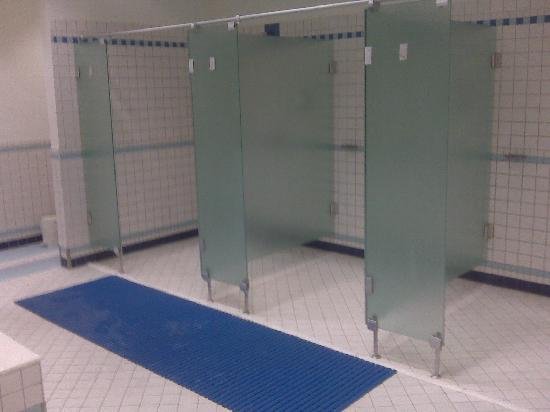
Your contractor just handed you a floor plan with a single communal shower room — and your spouse is staring at you like you grew a second head. Or maybe you’re finishing out a basement gym and someone casually suggested, “Why not make the shower gender-neutral?” Now you’re Googling at midnight wondering if that’s even legal.
I’ve been there. Years ago, I was renovating a carriage house into a guest suite and short-term rental. I wanted a sleek, open wet room — one shower, shared by whoever was booking the space. Simple, right? Three code violations and one very awkward conversation with a building inspector later, I can tell you: mixed-gender showers are not the wild frontier they used to be, but you still have to know exactly what you’re walking into.
Whether you’re designing a home gym, a vacation rental, an ADU, a tiny house, or just trying to future-proof a bathroom remodel, this guide is the one I wish I’d had.
What Exactly Is a Mixed-Gender (Gender-Neutral) Shower?
Before we get into the plumbing and the politics, let’s define the term. A mixed-gender shower — also called a gender-neutral shower, unisex shower, or shared shower — is any shower facility designed to be used by people of any gender without designated male or female separation.
This is different from a private en suite bathroom. We’re talking about communal or semi-communal spaces — shared baths in vacation homes, open locker room showers in home gyms, shared facilities in ADUs, co-living spaces, or tiny homes where multiple unrelated adults share square footage.
The concept has existed in European bathhouses and Scandinavian spa culture for generations. It’s gaining serious traction in the U.S. now, driven by everything from changing social norms to the basic math of building smaller, more efficient homes. But the rules — building codes, privacy requirements, and local ordinances — haven’t always kept pace.
The Real Benefits of Mixed-Gender Shower Design
1. Space Efficiency That Actually Makes a Difference in Smaller Homes
This is the number one reason most of my clients bring it up, and honestly, it’s a compelling one. When you’re designing a bathroom for an ADU, a finished basement, a pool house, or a vacation rental, every square foot costs money. Building two separate shower rooms — one “for men” and one “for women” — can eat 80 to 150 square feet you simply don’t have.
A single, well-designed gender-neutral shower with a private changing area achieves the same function in roughly half the space. I’ve seen incredibly well-executed designs where one generously sized shower with a locking door and a shared vanity outside does everything two traditional bathrooms would do, at about 60% of the build cost.
In tiny homes and van conversions (yes, I’ve helped a few), a gender-neutral wet room is basically the only logical option. There’s no room for ceremony. You build one space, you make it private enough for anyone, and you move on.
The cost savings are real. Fewer fixtures, less tile, one exhaust fan, one set of plumbing rough-ins. On a mid-range basement bathroom build, that can translate to $4,000–$9,000 in savings without cutting any corners on quality.
2. Inclusivity and Universal Design for Modern Households
Here’s something I didn’t fully appreciate until a client pointed it out during a remodel: traditional gendered bathroom layouts can create friction for households that don’t fit the assumed mold. Multigenerational homes, households with transgender or nonbinary family members, caregiver situations where a parent or aide assists someone across gender lines — all of these are common, real-world scenarios.
A thoughtfully designed gender-neutral shower removes that friction entirely. It says, “Whoever needs to use this space can use this space.” That’s not a political statement — it’s good design.
I’ve also worked with clients who have adult children with disabilities. A caregiver often needs to assist with bathing, regardless of gender. A shared, ADA-compliant wet room with grab bars, a fold-down bench, and a handheld shower makes that process dignified. Two separate gender-specific rooms would complicate a situation that should be simple.
Universal design principles — wider doorways, curbless entry, non-slip flooring — overlap heavily with good gender-neutral shower design. You’re building for every possible user, and that’s always going to result in a better space.
3. Rental Property Appeal and Airbnb-Friendly Layouts
I’ll be blunt: if you’re building or renovating a short-term rental, a gender-neutral bathroom done right is a selling point, not a liability. Travelers booking a beach house or mountain cabin with multiple bedrooms don’t want to figure out which bathroom belongs to which gender. They want clean, private, functional, and easy.
A single well-appointed shower room with a locking door and fresh towels beats a confusing split-bathroom layout every single time. My own rental conversion (the carriage house I mentioned) eventually became one of the highest-rated listings in the area, and guests consistently mentioned the bathroom as a highlight — one beautiful wet room, neutral design, full privacy lock on the door.
The key word there is privacy. We’ll come back to that.
4. Simplified Maintenance and Cleaning
Two bathrooms means twice the scrubbing. One gender-neutral shower — when designed with quality materials and good ventilation — means one space to clean, one set of fixtures to maintain, and one exhaust fan to replace when it eventually dies at 11pm on a Saturday. (It always dies on a Saturday.)
Porcelain tile, a frameless glass enclosure or a waterproofed wet room with a quality linear drain, and a good shower system with minimal hard-to-clean crevices: these design choices pay dividends for years. I’m a big fan of large-format tile (24×24 or bigger) in shared showers specifically because there are fewer grout lines to deal with. Grout is the enemy. Anyone who tells you otherwise hasn’t cleaned a shower in their life.
The Downsides of Mixed-Gender Showers (Real Talk)
Privacy Is Non-Negotiable — and Harder to Achieve Than You Think
Here’s where I’ve seen the most projects go sideways. People design a beautiful open shower — glass walls, great lighting, a stunning tile feature wall — and completely forget that “shared” and “private” have to coexist. In a residential setting, a mixed-gender shower without meaningful privacy isn’t an inclusive design choice. It’s a lawsuit waiting to happen in a rental, or an uncomfortable situation in a shared home.
At minimum, a gender-neutral shower needs a full-height, lockable door or a private enclosure that cannot be accidentally walked in on. I’m talking a deadbolt or a sliding barn lock, not a flimsy push-button lock that a child can pop with a coin. The shower itself should not be visible from the doorway when it opens.
I’ve seen budget builds where someone installed a curtain across an open shower entry thinking that was “private enough.” It is not. Invest in the door. Invest in the lock. It’s a $200 decision that saves you a lifetime of awkwardness.
Changing areas are a whole separate issue. If your space doesn’t include a private area to change before and after showering, you haven’t built a functional gender-neutral shower — you’ve built a shared shower with no changing room. Those are very different things, and only one of them is appropriate in a space used by multiple adults.
The Social Comfort Factor You Can’t Design Away
I’ll be honest: not everyone is comfortable with the concept of a shared shower, even if it’s perfectly private. Cultural background, personal preference, age, and upbringing all factor in. I’ve worked with clients who initially pushed back hard on the idea for their vacation rental — convinced guests would hate it — and ended up being proven wrong. I’ve also worked with clients who installed one in a co-living situation and had tenants complain despite the excellent privacy setup.
The design can be perfect and you still can’t guarantee everyone will love the concept. If you’re building for a specific group of users — like family members who you know well — have the conversation first. Don’t assume. If you’re building a rental, be transparent in your listing about the bathroom configuration. Hiding it is asking for a bad review.

Scheduling Conflicts in Shared Households
One shower for multiple adults means a morning rush is a real logistical challenge. I always recommend that any gender-neutral shared shower setup include a visible signal of occupancy — whether that’s a simple indicator lock (green/red), a sign-out board, or just a clear social agreement.
In my carriage house rental, I added a simple hook-and-eye indicator on the outside of the bathroom door in addition to the deadbolt. Guests loved it. Zero complaints about walking in on each other. That $3 hardware store find saved me countless awkward moments.
Mixed-Gender Shower Regulations: What the Building Code Actually Says
This is the section most DIY articles skip, and it’s the one that will absolutely bite you if you ignore it.
Federal and State-Level Code Requirements
In the United States, there is no single national building code specifically governing mixed-gender or gender-neutral showers in residential construction. The International Residential Code (IRC) and International Building Code (IBC) set baseline standards for bathroom construction — ventilation, minimum fixture clearances, waterproofing — but they don’t mandate gender separation in single-family or small multifamily residential settings.
However, commercial buildings, gyms, schools, and any facility open to the public fall under different rules entirely. The IBC and ADA Standards for Accessible Design have specific requirements for toilet rooms and shower facilities in commercial settings, and many states have added requirements around privacy partitions when gender-neutral facilities are provided.
California, for example, has among the most progressive — and detailed — regulations. California’s AB 1732 (signed into law in 2017) requires all single-occupancy toilet facilities in businesses, government buildings, and places of public accommodation to be available to all genders. It also sets specific signage requirements.
Local Zoning and Rental Regulations
Here’s where it gets genuinely complicated: local ordinances vary wildly. Your county or municipality may have specific requirements for:
- Minimum number of fixtures in rental properties
- Privacy partition requirements in shared facilities
- Permit requirements for bathroom additions or conversions
- Short-term rental regulations that specify bathroom configurations
Before you build anything, pull your local building code and call your building department. I know that sounds boring. Do it anyway. I didn’t do it on my first carriage house conversion and I had to retrofit a privacy wall mid-project at significant cost. Learn from my mistake.
HOA Rules and Condo Association Requirements
If you live in an HOA community or own a condo, your association’s CC&Rs (Covenants, Conditions, and Restrictions) may have additional rules about bathroom configurations, especially in shared amenity spaces like pool houses or clubrooms. These are separate from municipal building codes and can be stricter or just plain weird.
I’ve seen HOA documents that specify bathroom facilities must maintain traditional gender separation in common areas. Whether those rules are enforceable in your state given recent anti-discrimination legislation is a question for a lawyer, not your contractor — but it’s a question worth asking before you start demoing tile.
ADA Compliance in Mixed-Gender Accessible Showers
If your project requires ADA compliance — any rental property with more than a certain number of units, commercial spaces, public-facing businesses — a gender-neutral shower doesn’t exempt you from accessibility requirements. It may actually require you to meet them more carefully.
ADA-compliant shower stalls require specific clear floor space, grab bar placement, and accessible entry. A gender-neutral shower that’s ADA-compliant from the start is actually a great design goal for most residential projects too. A curbless entry, a fold-down teak bench, and a handheld shower head are good for everyone, regardless of ability.
Quick Side Note: The One Design Mistake I See Constantly
People spend thousands on tile and fixtures and then install a cheap, hollow-core interior door on their gender-neutral shower room. A hollow-core door provides zero acoustic privacy. You can hear everything. Spend the extra $150–$200 on a solid-core door. It’s the single best value upgrade you can make to any bathroom used by multiple people.

How to Design a Mixed-Gender Shower That Actually Works
Here’s my practical checklist, refined over a dozen projects:
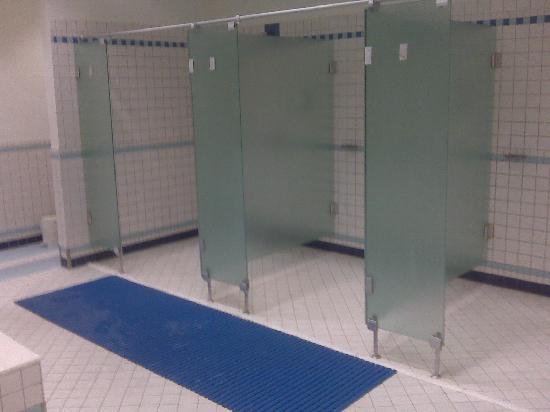
- Full-height privacy enclosure — no peeking over or under. Solid walls or frameless glass with appropriate frosting.
- Lockable door with an occupancy indicator — deadbolt or barn lock, not a push-button privacy latch.
- Dedicated changing area — even a small bench and hook area inside the locking boundary is enough.
- Solid-core door for acoustic privacy.
- Curbless wet room entry with a quality linear drain — easier to clean, ADA-friendlier, and genuinely looks better.
- Adequate ventilation — a 110 CFM exhaust fan minimum. Mold in a shared shower is a nightmare.
- Neutral, high-quality finishes — large-format tile, matte fixtures, built-in niche storage. Shared spaces take more abuse; invest in durability.
Parting Wisdom
Mixed-gender showers are not inherently complicated, scandalous, or code-violating. They’re a rational design response to smaller homes, more diverse households, and changing social norms. When done right — with genuine privacy, solid construction, and a clear understanding of your local regulations — they work beautifully.
What will get you in trouble is cutting corners on privacy or skipping your permit research because you assume “it’s just a bathroom.” It’s never just a bathroom when it’s a shared one.
My rule after all these years: build it like someone you don’t know is going to use it, and build it like you’re going to be held accountable for their comfort. Do that and you’ll get it right.
Now I want to hear from you — are you planning a mixed-gender shower for a rental, a home gym, or a multigenerational household? Drop your questions or your own hard-won experience in the comments below. I read every one, and the messier the situation you’re dealing with, the more I want to help you sort it out.