
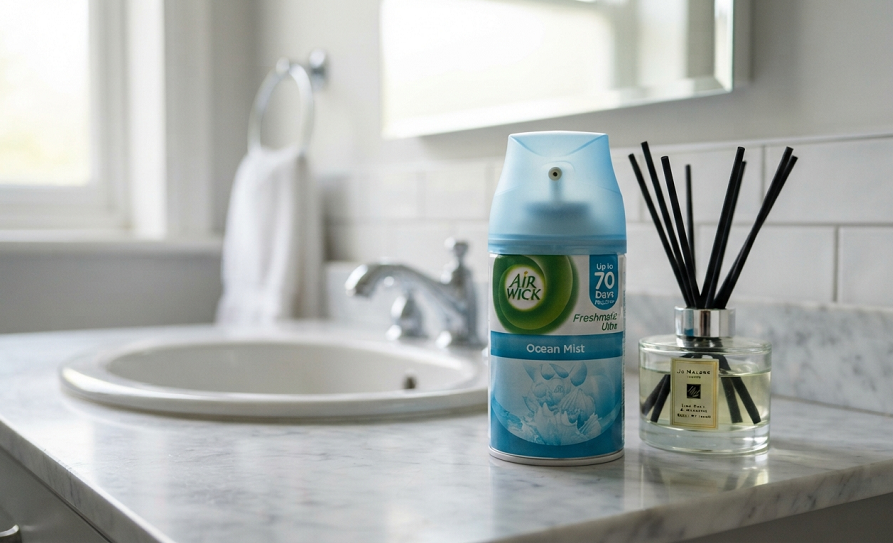
You walk past the bathroom door and catch it before you even step inside. That damp, musty, “something’s not right” smell that no amount of spraying seems to fix. Maybe you’ve got guests coming over in an hour. Maybe you’re just tired of holding your breath every time you walk in there. Either way, you’re not alone, and you’re in the right place.
I’ve remodeled more bathrooms than I can count on both hands, and here’s the thing nobody tells you: a bad bathroom smell is almost never a “spray more air freshener” problem. It’s a “something is actually causing this” problem. Once you fix the cause, the smell goes away and stays away. That’s what we’re doing today.
Why Does My Bathroom Smell Bad in the First Place?
Before we get to fixes, let’s talk causes, because this changes everything about how you tackle the smell.
Bathrooms are basically moisture machines. Hot showers, wet towels, damp bath mats, and poor airflow create the perfect breeding ground for mold and mildew. That musty smell you can’t shake? Nine times out of ten, it’s mold growing somewhere you can’t see — behind the toilet, under the sink, in the grout, or inside your exhaust fan.
Then there’s the plumbing side of things. A dry P-trap (that curved pipe under your sink or in your floor drain) lets sewer gas creep right up into your bathroom. I learned this one the hard way in a guest bathroom that barely got used. The smell was awful, and I spent two weeks blaming the trash can before I figured out the drain trap had simply dried out.
And sometimes it really is just poor habits. Damp towels left in a pile. A trash can that hasn’t been emptied. A toilet brush holder that’s basically a swamp. We’ll cover all of it.
1. Fix Your Ventilation First (This Is Non-Negotiable)
I’ll be blunt: if your bathroom doesn’t have proper ventilation, nothing else on this list will work for long. You’re just putting a nice-smelling band-aid on a moisture problem.
Your exhaust fan should run during every shower and for at least 20 minutes after. I know it’s tempting to shut it off the second you’re done, but that lingering steam is exactly what feeds mold behind your walls and in your ceiling.
If you don’t have an exhaust fan, or yours is weak and barely moving air, it’s worth the investment to upgrade it. A fan that’s rated too low for your square footage is basically decorative at that point. Check the CFM (cubic feet per minute) rating against your bathroom’s size — most hardware stores have a simple chart for this.
No fan at all? Crack a window if you have one, or run a small dehumidifier during and after showers. I did this in an old farmhouse bathroom with zero ventilation, and it cut the musty smell by more than half within a week.
2. Clean the Areas People Forget About
Everyone wipes down the sink and toilet seat. Almost nobody cleans the spots where smells actually come from.
Start with your exhaust fan cover. Pop it off and you’ll probably find a layer of dust and grime that’s been recirculating through your bathroom air this whole time. Wash it in warm soapy water and let it dry completely before putting it back.
Next, pull your toilet brush holder out and actually look at what’s sitting in the bottom of it. This thing is a smell factory that almost never gets addressed. I soak mine in a bleach-water solution once a month, and it’s made a bigger difference than any spray I’ve ever bought.
Don’t skip the grout lines and caulk around your tub or shower. Mold loves to hide in those tiny crevices, and it will keep producing that musty smell no matter how much you clean the visible surfaces. A grout brush and a mold-specific cleaner will handle this in under 20 minutes.
Finally, check under your sink. Cabinets under bathroom sinks trap humidity and rarely get aired out. Pull everything out every few months, wipe the inside down, and let it breathe with the cabinet door open for an hour.
3. Run Water in Rarely-Used Drains
If you’ve got a guest bathroom or a shower nobody uses regularly, this tip alone can solve what feels like an unsolvable smell.
Every drain in your house has a P-trap filled with water that blocks sewer gas from coming up into your home. When a drain doesn’t get used for weeks, that water evaporates, and suddenly you’ve got sewer gas smell with no obvious source.
The fix is stupidly simple: run water in every sink, tub, and shower drain for about 30 seconds, once a month, even if you never use them. Pour a cup of water down floor drains too, since those dry out even faster.
I genuinely think this is the most overlooked fix in home maintenance. People spend money on fancy air fresheners chasing a smell that a running faucet would’ve solved in seconds.
4. Swap Out Your Bath Mats and Towels More Often
Your bath mat is holding onto more moisture than you think, and if it’s one of those thick memory foam ones, it’s basically a mold sponge sitting on your floor.
Wash bath mats weekly in hot water, and if yours never seems to fully dry between washes, consider switching to a quick-dry style or a mat you can hang up between uses. I switched to a thin cotton mat I can toss over the shower rod to dry, and it made a noticeable difference in how the bathroom smells by evening.
Same goes for towels. A damp towel hung on a hook, folded over itself, stays wet for way longer than one spread out on a proper towel bar. Give your towels room to breathe, and wash them every three to four uses. A towel that smells sour has already started growing bacteria, and no fabric softener is fixing that smell — only a hot wash will.
5. Use Natural Odor Absorbers Instead of Covering the Smell
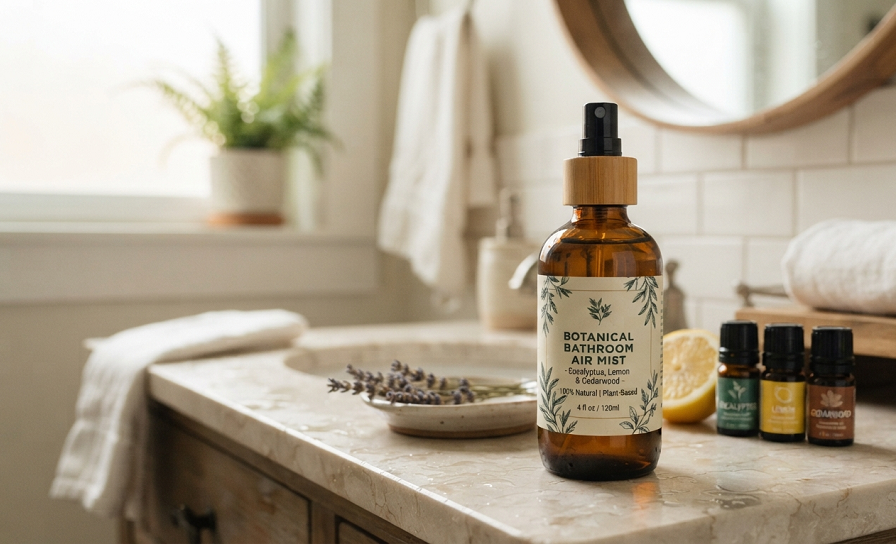
Here’s an opinion I’ll stand firmly behind: spray air fresheners are a total waste of money if you haven’t addressed the source. They mask the smell for twenty minutes and then you’re right back where you started, except now it smells like fake lavender mixed with mildew, which is somehow worse.
Instead, use things that actually absorb odor. A small bowl of baking soda tucked behind the toilet or under the sink pulls moisture and odor out of the air over time, and it costs about a dollar. Activated charcoal bags work even better for musty smells specifically, since charcoal is designed to trap odor molecules rather than just perfume over them.
White vinegar in a small dish does something similar and is great for cutting through that “wet towel” smell. Yes, it smells like vinegar for the first hour, but that fades fast, and what’s left behind is neutral, not just masked.
6. Bring In a Plant That Actually Handles Humidity
This one surprises people, but certain plants genuinely thrive in bathroom humidity and help pull excess moisture from the air while you’re at it.
Peace lilies, snake plants, and pothos all do well in low-light, high-humidity bathrooms. Not only do they look nice on Pinterest, they’re doing real work absorbing moisture that would otherwise feed mold growth on your walls and ceiling.
I’ll add a quick side note here: don’t go overboard. A crowded bathroom windowsill full of plants that you forget to water becomes its own smell problem when the soil stays soggy and starts to sour. One or two hardy plants, watered on a schedule, is plenty.
7. Deal With the Toilet Itself
Let’s just talk about it directly, because half the “bathroom smell” complaints I hear are really toilet smell complaints in disguise.
Clean under the rim weekly with a toilet brush and a cleaner that actually reaches up under that lip, since that’s where buildup collects and smells the worst. A toilet bowl tablet dropped in the tank can help keep things fresh between cleanings, though I’d skip the ones with heavy dye — they can stain grout and aren’t doing anything a good weekly scrub wouldn’t already handle.
Check the wax ring seal at the base of your toilet if you notice a persistent sewer smell that doesn’t go away with cleaning. A failing wax ring lets sewer gas leak out around the base, and honestly, this is a bigger job — you may want a plumber for this one unless you’re comfortable pulling a toilet.
8. Keep the Trash Can Under Control
I almost left this one off the list because it seems too obvious, but I’d bet money it’s the actual cause of at least a few readers’ bathroom smells right now.
Bathroom trash cans collect used tissues, cotton swabs, and other damp waste that starts smelling within days, not weeks. Empty it more often than you think you need to, and consider a small can with a lid rather than an open one.
Line it with a bag every time, even for a small bathroom can. It sounds excessive for such a small trash can, but a bag that’s never washed builds up residue on the plastic itself, which starts smelling regardless of how often you empty it.
Real Talk: What’s Not Worth Your Time (Or Money)
Let’s be honest about a few things.
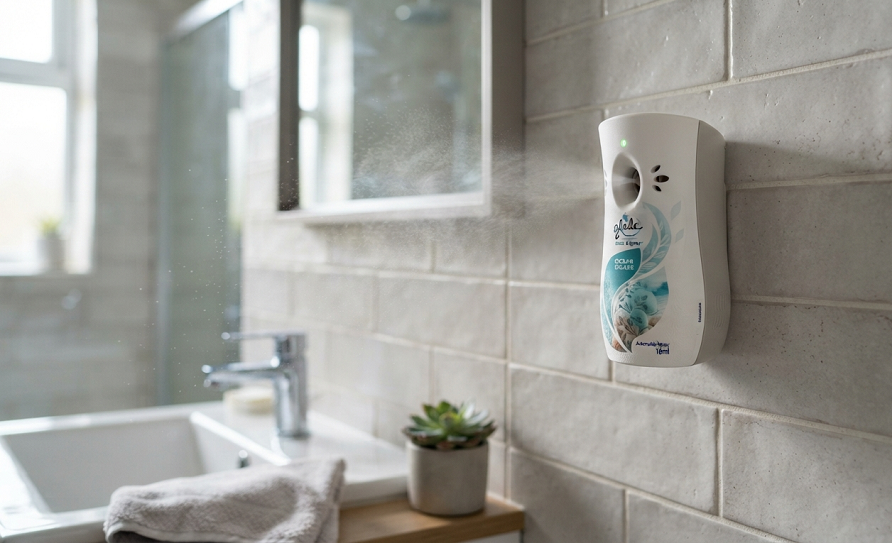
Plug-in air fresheners are, in my opinion, mostly pointless in bathrooms. They’re built for constant airflow rooms like hallways and living rooms. In a small, humid, poorly ventilated bathroom, they just add another layer of scent on top of a smell that’s already there, and the combination is rarely pleasant.
Scented candles are lovely, but if your bathroom smell is caused by mold or a dry P-trap, a candle is not going to touch it. I’ve seen people burn through dozens of expensive candles chasing a smell that a $3 box of baking soda and an hour of cleaning would’ve solved.
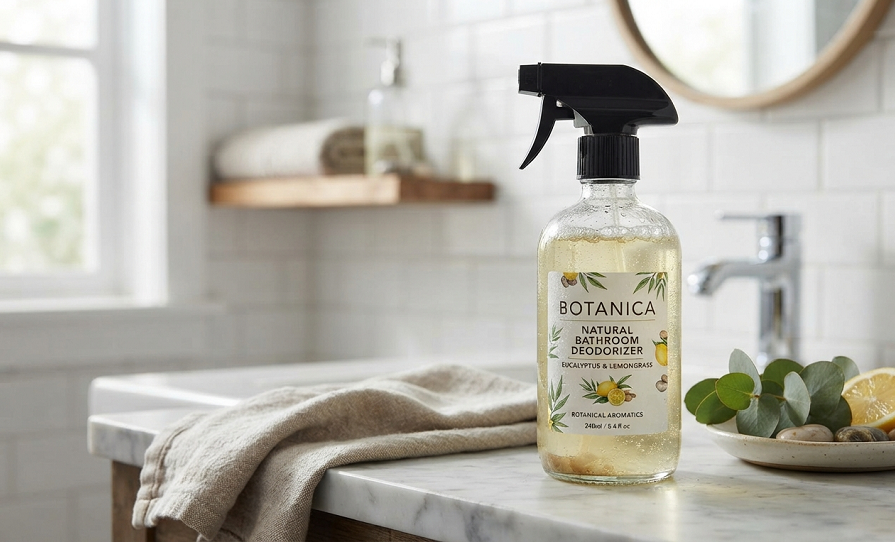
Also, be careful with heavily scented cleaning products marketed as odor eliminators. Some of them are just masking agents with a cleaning product label slapped on. Read the label — if it doesn’t list an actual disinfecting or antimicrobial ingredient, it’s probably just perfume.
And one more thing: don’t assume a new bathroom fan will fix everything if the ductwork behind it is clogged or vented into your attic instead of outside. I’ve walked into more than one house where the “working” fan was just blowing moist air into the attic space, creating a mold problem two rooms nobody was even looking at. If your fan runs but the smell persists, it’s worth checking where that duct actually goes.
Final Thoughts
A good-smelling bathroom isn’t about finding the right spray — it’s about controlling moisture and staying on top of the small stuff before it becomes a big stuff problem. Fix your ventilation, run water through drains you don’t use often, and clean the spots everyone forgets. Do that, and you’ll notice the smell handles itself.
What’s the one bathroom smell mystery you still haven’t solved? Drop it in the comments below — I read every one, and there’s a good chance I’ve dealt with the exact same thing in one of my own remodels.