
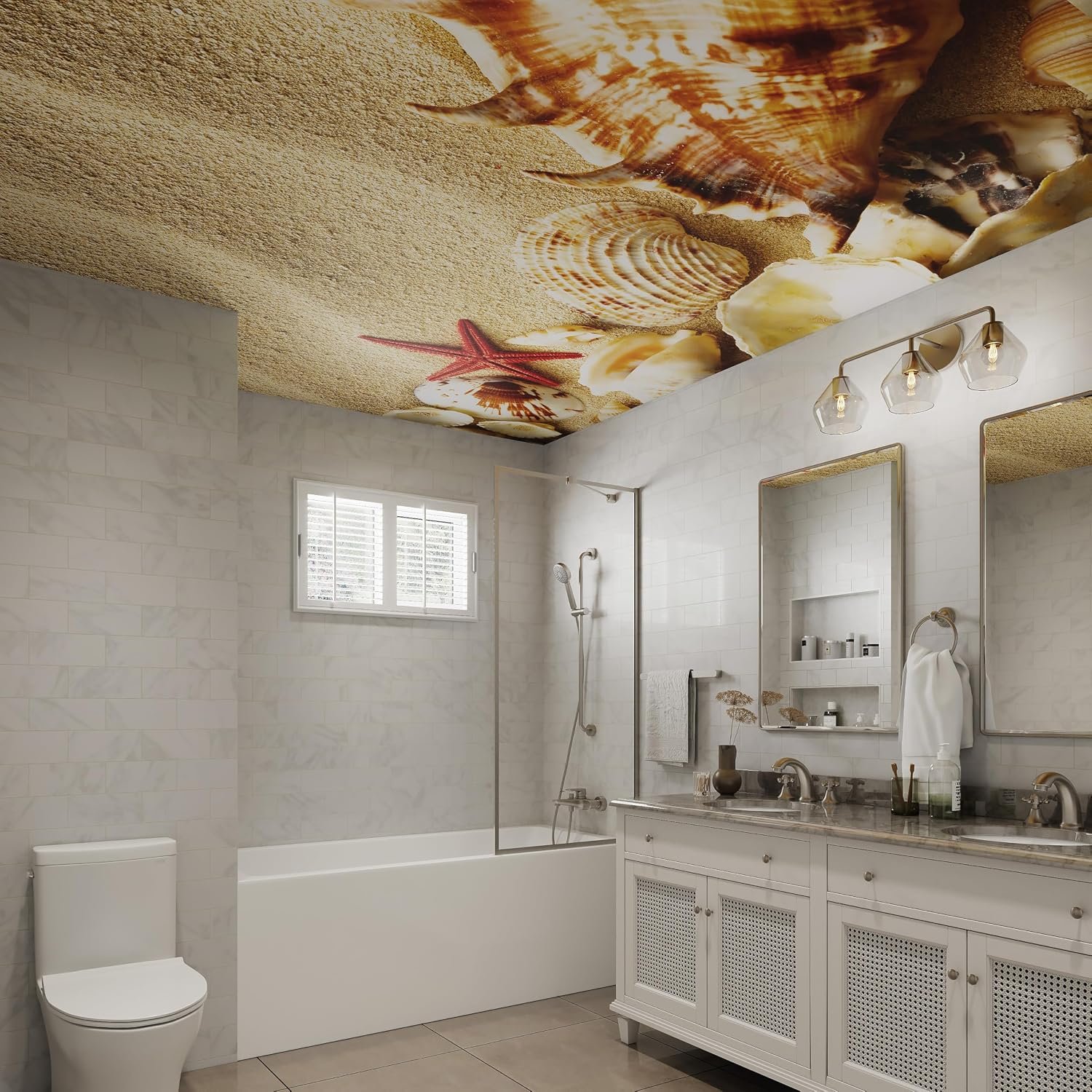
Your bathroom is the size of a walk-in closet, the lighting makes everyone look jaundiced, and every time you open the vanity door it bangs into the toilet. Sound familiar? You’re not alone, and you definitely don’t need to knock down a wall to fix it.
I’ve remodeled more tiny bathrooms than I can count, including my own 100-year-old farmhouse half-bath that used to double as a broom closet. The truth is, a small bathroom can look more expensive than a big one if you make smart choices. Size has almost nothing to do with luxury. It’s about proportion, materials, and a few tricks that most homeowners never think to try.
Here’s exactly what I do when I want a cramped bathroom to feel like it belongs in a boutique hotel.
Pick a Tile Size That Actually Works for Small Spaces
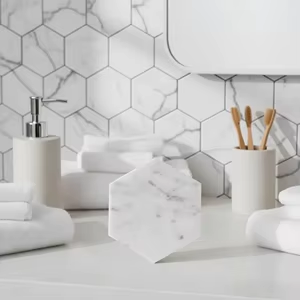
This is the number one mistake I see. People walk into the tile aisle, fall for a tiny mosaic pattern, and think it’ll make the room feel detailed and cozy. It does the opposite. Small tiles mean more grout lines, and more grout lines make a small room look busier and, honestly, cheaper.
Large-format tile is your friend here. I’m talking 12×24 or even 24×24 tiles on the floor. Fewer seams mean the eye travels further before it hits a break in the pattern, which tricks the brain into thinking the space is bigger than it is. I redid my son’s bathroom with large porcelain tile that mimics Carrara marble, and guests genuinely ask if we splurged on real stone. We didn’t. It cost about a third of the price.
For walls, especially in a shower, I like running the tile vertically instead of horizontally. Vertical lines pull the eye upward, which makes low ceilings feel taller. It’s the same trick tailors use with pinstripes, and it works just as well on drywall as it does on a suit.
One more thing on tile: skip the accent border. I know it’s tempting because the sample board at the store looks fantastic, but in a small room a busy border chops up your sightline and makes everything feel smaller and more chaotic. Keep it simple and let the large tile do the talking.
Choose One Dominant Color and Stick With It
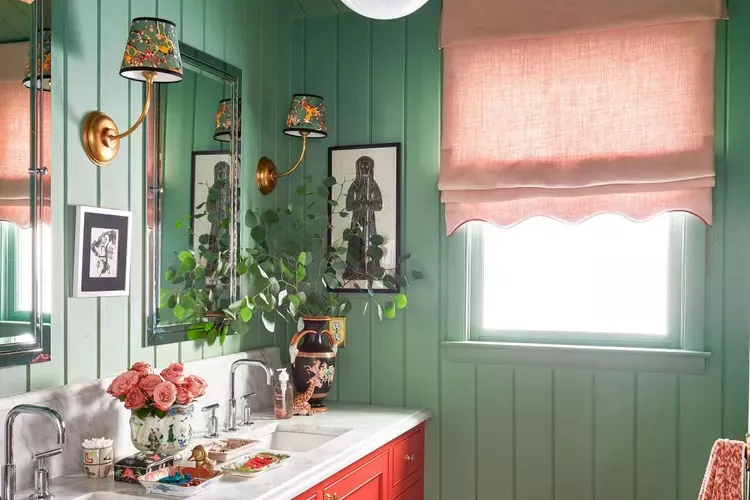
A small bathroom cannot handle five different colors fighting for attention. I learned this the hard way when I painted my first apartment bathroom a mustard yellow, added a teal shower curtain, and topped it off with pink towels because they were on sale. It looked like a toddler’s art project, not a spa.
Pick one dominant color for your walls, tile, and vanity, then let your fixtures and hardware provide contrast. Soft whites, warm greiges, and deep moody colors like charcoal or forest green all work beautifully in small spaces, which surprises people. The idea that small rooms need to be painted white is outdated. A deep, saturated color on all four walls actually blurs the corners of the room because there’s no contrast to define where one wall ends and another begins. The room feels enveloping instead of boxed in.
If you’re nervous about commitment, test it in the shower or on the lower half of the wall with a moisture-resistant paint, then build lighter finishes around it. I did this in my basement bathroom with a deep navy on the walls and warm brass fixtures, and it reads as expensive every single time someone sees it for the first time.
Whatever you do, don’t mix warm and cool metals in the same room unless you’re doing it on purpose with a clear plan. Chrome faucet, brass mirror, and nickel towel bar is not an eclectic look. It’s a “I bought whatever was on sale” look, and people notice, even if they can’t say exactly why.
Upgrade Your Lighting Before You Touch Anything Else
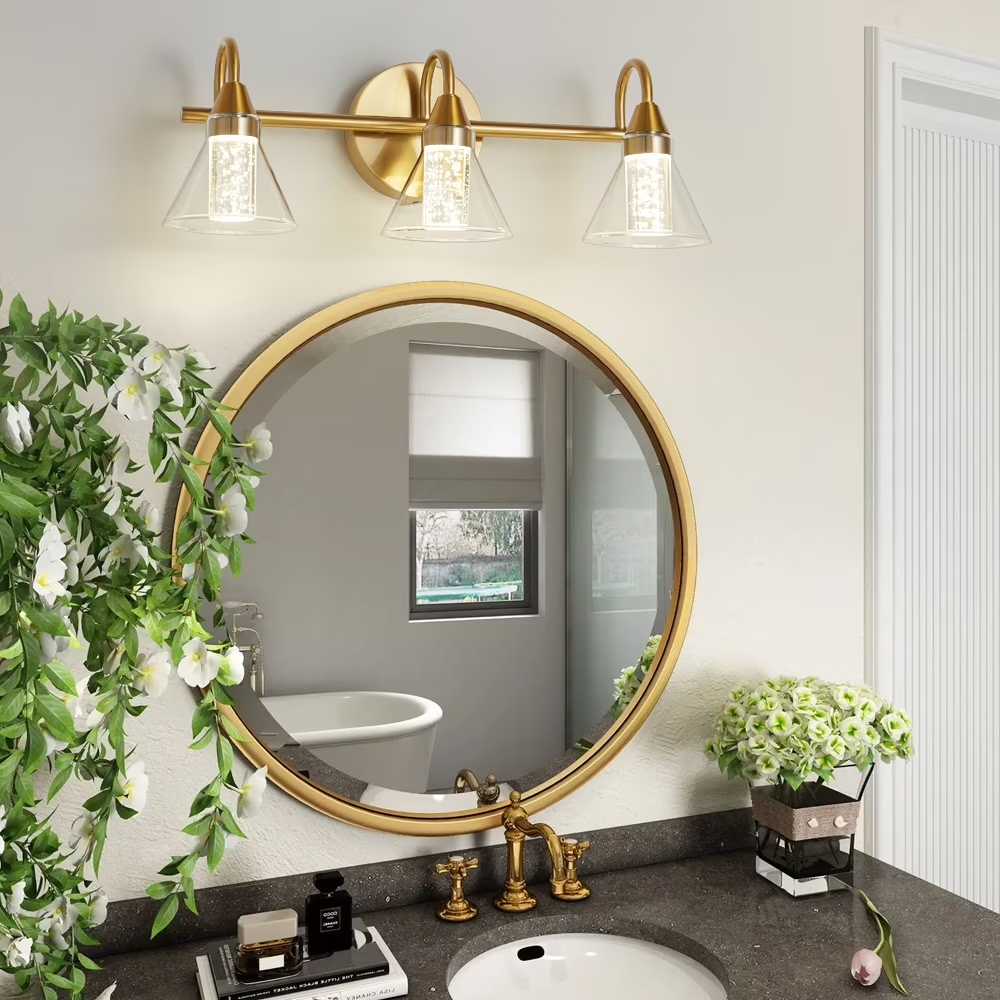
If I had a dollar for every small bathroom I’ve walked into with a single flickering builder-grade light fixture over the mirror, I could’ve retired years ago. Bad lighting is the fastest way to make even a beautifully tiled bathroom look like an afterthought.
Layered lighting is the secret. You want three types: ambient light for the whole room, task lighting at the mirror, and if you can swing it, a little accent lighting to add drama. A single overhead flush mount does none of these jobs well.
Start with sconces flanking the mirror at eye level instead of a single strip light above it. This eliminates the harsh shadows under your eyes and chin that make everyone look ten years older and the bathroom look like a gas station restroom. Brass or matte black sconces with a warm bulb, somewhere around 2700K to 3000K, give off that hotel-bathroom glow that reads as expensive without being clinical.
Then add a dimmer switch. This single ten-dollar part changes the entire mood of the room in about twenty minutes of work. Bright and functional for getting ready in the morning, soft and warm for a nighttime soak. I put dimmers in every bathroom I touch now, and it’s consistently the upgrade clients mention most.
Swap Your Hardware and Fixtures for an Instant Facelift
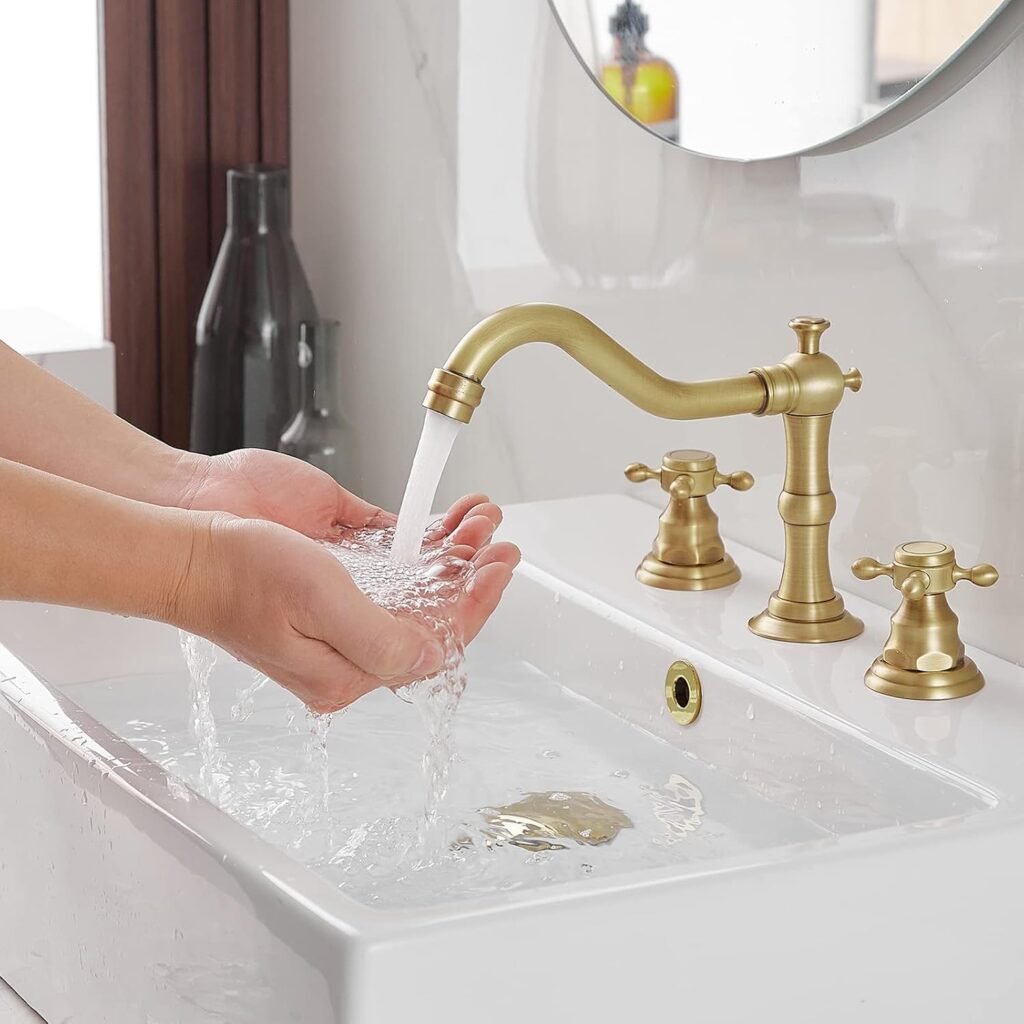
You don’t need a full renovation to change how a bathroom feels. Sometimes the fastest win is swapping out the small stuff: faucets, cabinet pulls, towel bars, and the toilet paper holder. These pieces are touched constantly and seen up close, so their quality gets noticed even when the bones of the room stay the same.
Go for a matched metal finish across every fixture in the room. Matte black, brushed brass, and brushed nickel all photograph well and feel current without looking trendy in a way you’ll regret in five years. I redid my hallway bathroom with nothing but a new brushed gold faucet, matching cabinet knobs, and a slim brass towel bar, and the total cost was under $150. It looked like a $10,000 remodel in photos.
Don’t overlook your toilet, either. A boxy, dated toilet with visible bolt caps and a tank that looks like it belongs in a gas station will undercut every other upgrade in the room. A skirted, one-piece toilet has cleaner lines and is dramatically easier to clean, since there’s no gap around the base for grime to hide in.
Quick side note: if your budget only stretches to one fixture swap, make it the faucet. It’s the piece people physically touch and look at the most, and a cheap plastic-handled faucet next to an otherwise beautiful vanity is the fastest way to give away that you cut corners.
Use Mirrors and Reflective Surfaces to Trick the Eye
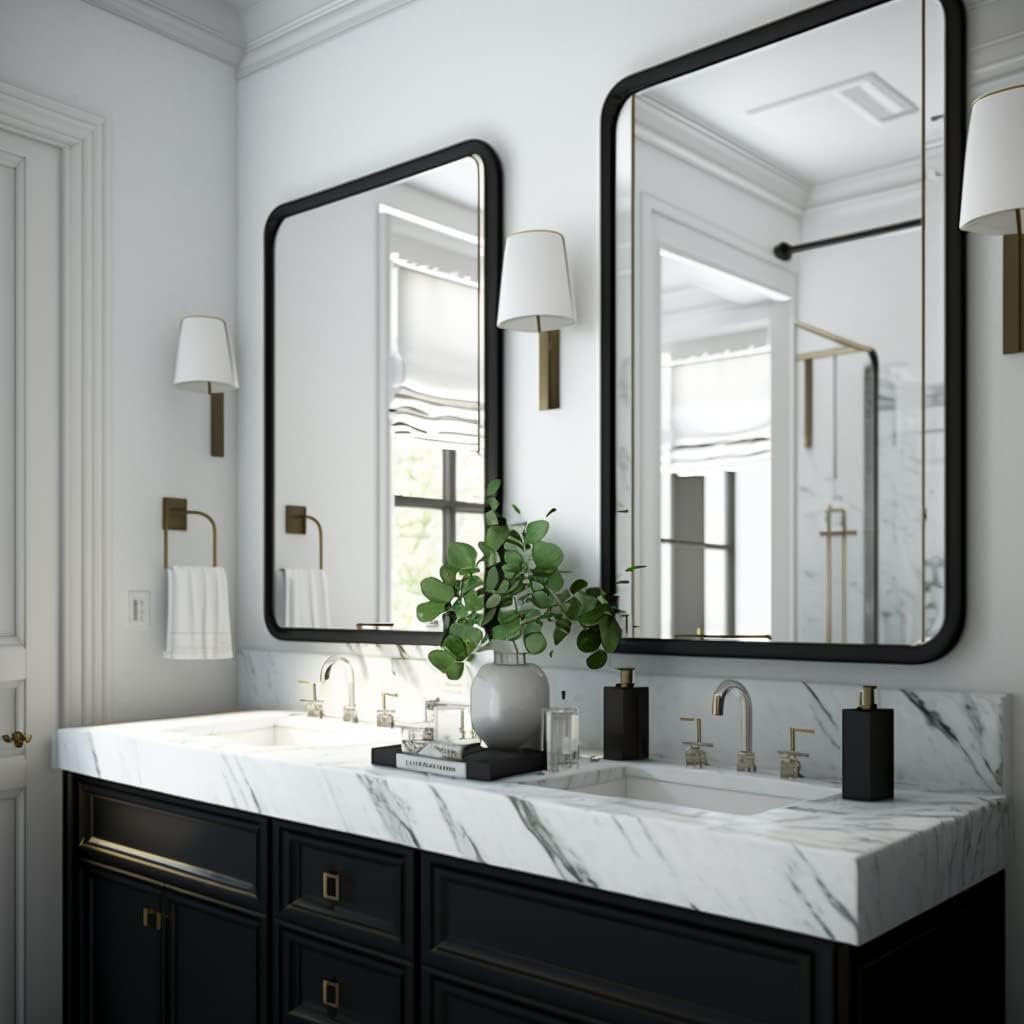
A well-placed mirror does more for a small bathroom than almost any other single change, and it costs a fraction of what tile or lighting does. Mirrors bounce light around the room and create the illusion of depth where there isn’t any.
Skip the standard builder mirror that’s just glued to the wall above the sink. A framed mirror, or better yet, an oversized mirror that extends close to the edges of your vanity, adds a sense of intention and design that a plain rectangle never will. I like arched or shaped mirrors in small bathrooms specifically because the curve softens all the hard right angles a tiny room is usually packed with.
If your bathroom has a window, hang a mirror directly across from it or at an angle that catches the natural light and throws it back into the room. This is an old trick from tiny European apartments where natural light is precious, and it works just as well in a windowless powder room lit only by your new sconces.
Beyond the mirror itself, look for other spots to sneak in reflective surfaces: a glossy tile, a chrome or brass light fixture, even a glass shower door instead of a curtain. Every reflective surface adds a little visual bounce that makes the walls feel farther apart than they actually are.
Go Big on One Statement Piece Instead of Many Small Ones
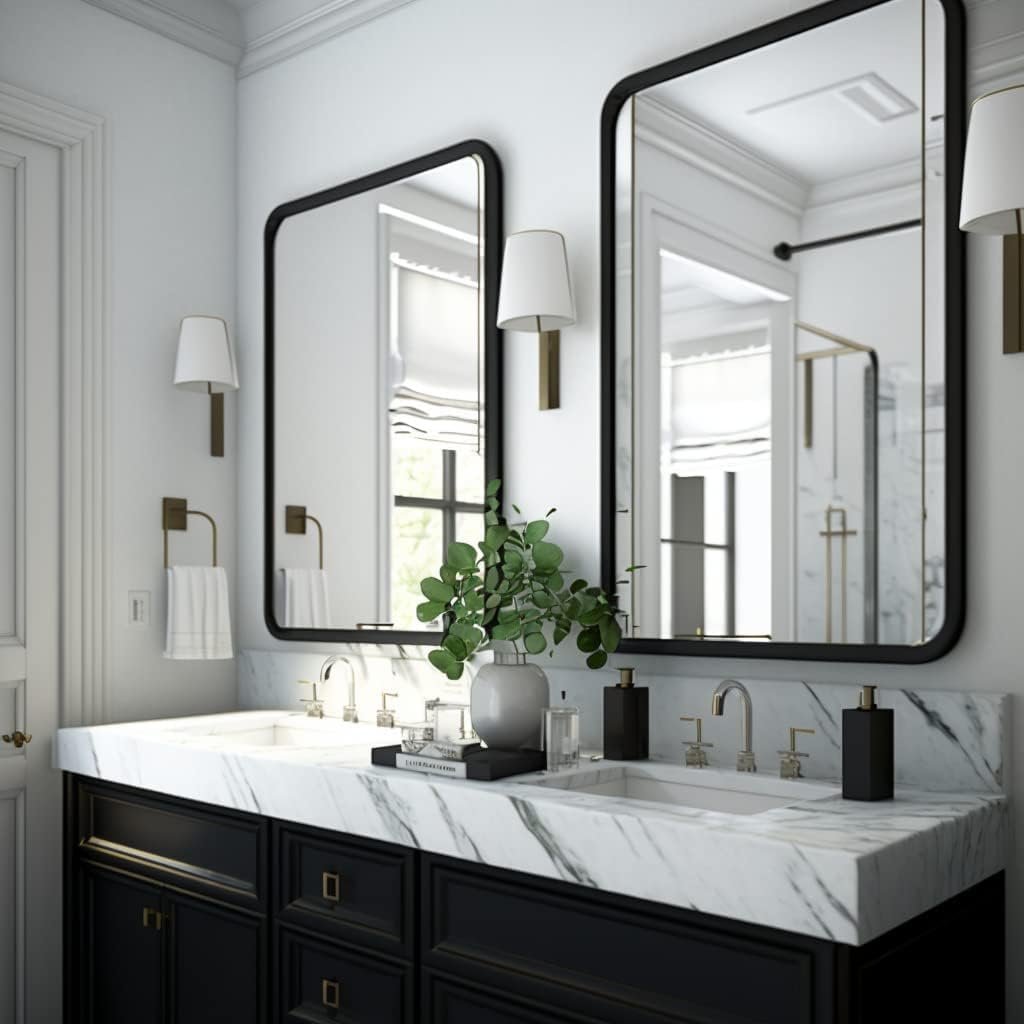
Small bathrooms get overwhelmed fast when you try to cram in five different “cute” elements: a patterned rug, a floral wallpaper, a gallery wall, a colorful shower curtain, and a decorative stool. Individually they’re fine. Together, it’s visual noise, and visual noise reads as cheap no matter how much any single item cost.
Instead, pick one statement piece and let everything else stay quiet around it. This could be a bold wallpaper on just one wall, a patterned cement tile floor, or a striking vanity with a waterfall countertop. One showstopper gives the eye somewhere to land, and a calm supporting cast lets that piece actually shine instead of competing for attention.
I did this in a client’s guest bathroom with a deep green scalloped-edge wallpaper on the wall behind the toilet only. Everything else in the room, the vanity, the towels, the hardware, stayed neutral. That one wall gets photographed constantly, and the whole bathroom feels curated instead of cluttered.
The key is restraint everywhere else. If your statement piece is the wallpaper, keep your tile plain. If your statement piece is a patterned floor, keep your walls a solid color. Trying to make every surface a focal point is how bathrooms end up looking like a showroom that exploded.
Don’t Forget the Ceiling and the Trim
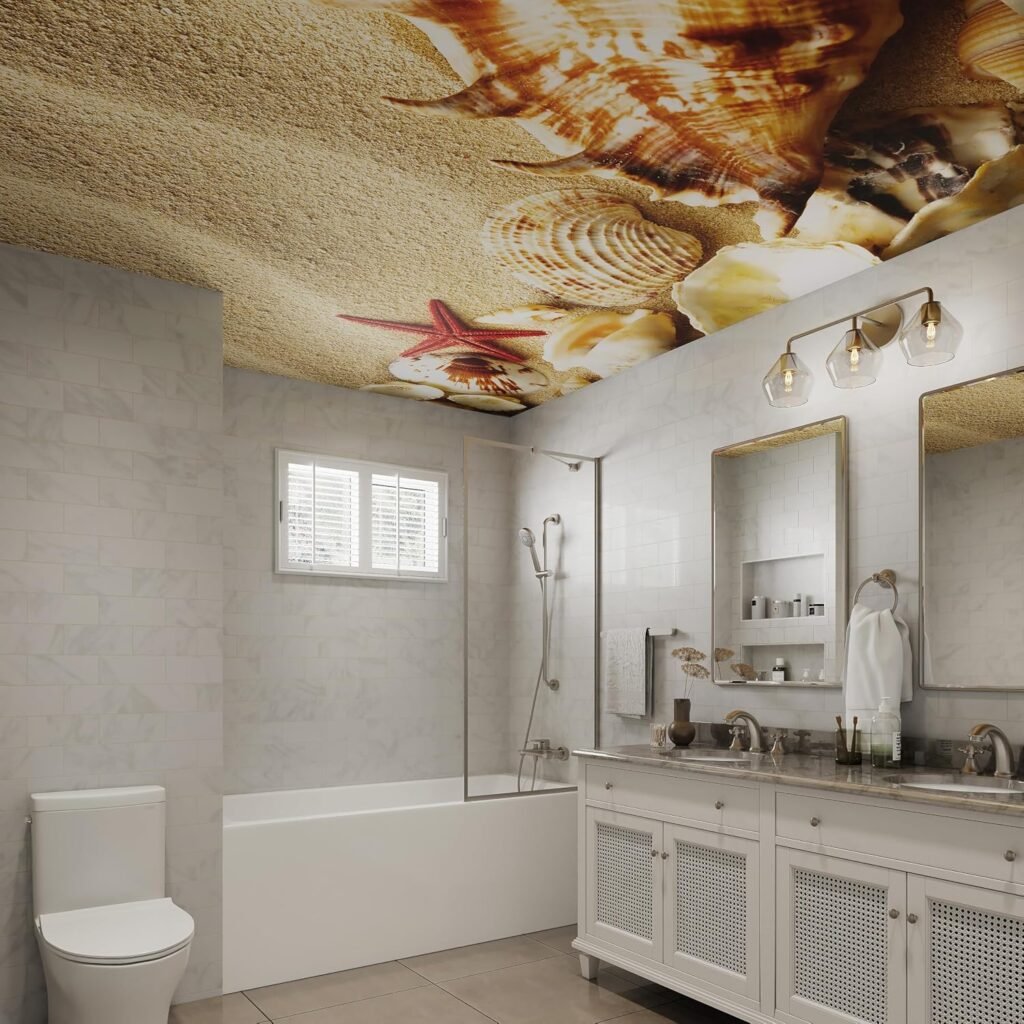
Everyone obsesses over tile and paint color and forgets two surfaces that quietly make or break a small bathroom: the ceiling and the trim. A flat white ceiling paired with scuffed, builder-grade white baseboards is one of the fastest ways to remind people they’re standing in a rental unit instead of a finished space.
I like painting the ceiling in a soft version of the wall color, or in a true matte white with a slight warmth to it rather than the stark, blue-toned white most contractors default to. It sounds like a small detail, but a ceiling that matches the tone of the room instead of clashing with it makes the whole space feel cohesive and planned, which is exactly the feeling you’re after.
Trim matters just as much. Fresh, crisp baseboards and door casing in a semi-gloss finish catch the light and frame the room properly. If your trim is chipped, yellowed, or mismatched with your wall color, replace it. It’s inexpensive lumber and an afternoon of caulking and painting, and it’s one of those upgrades nobody consciously notices, but everybody feels.
Storage That Doesn’t Look Like Storage
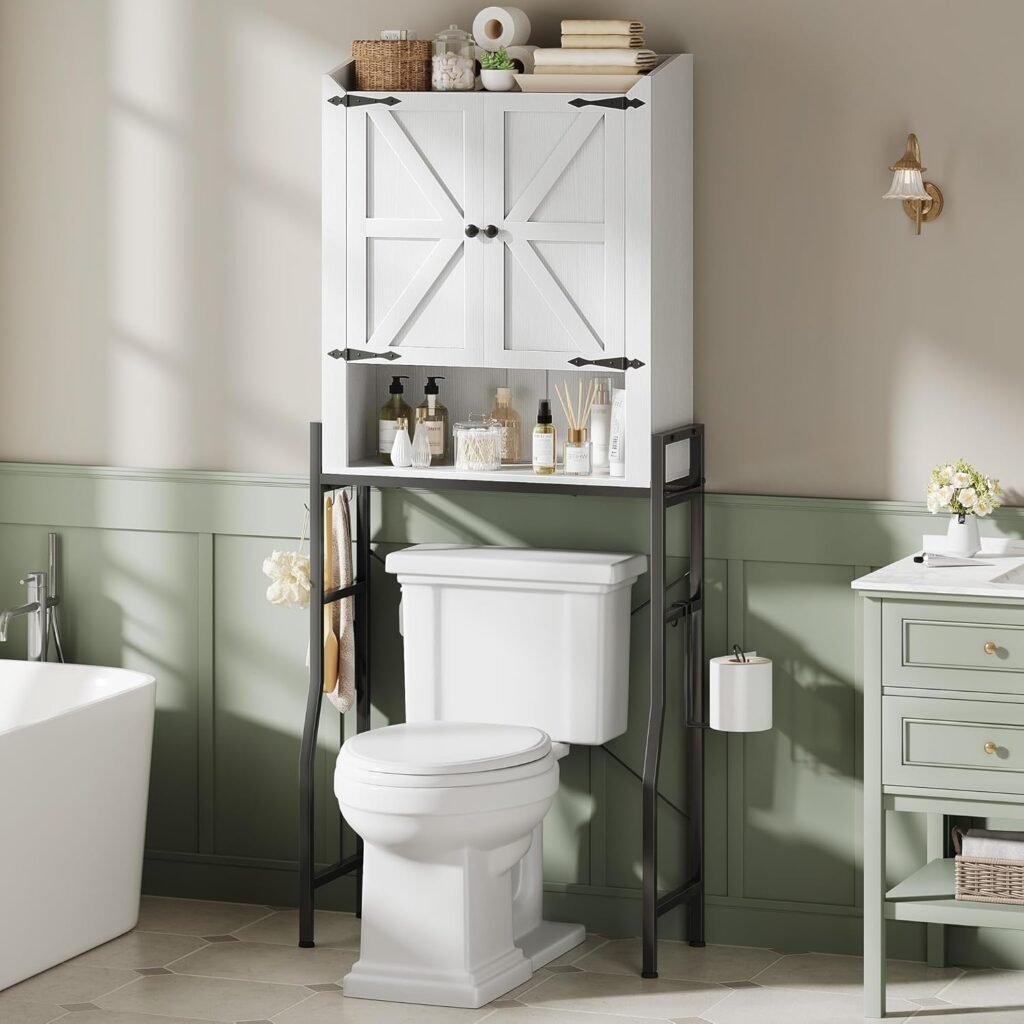
A cluttered counter undoes every other upgrade on this list faster than almost anything else. Bottles, tubes, and half-used skincare containers scattered across the vanity make even a gorgeous tile job look like a dorm room.
Built-in storage is the fix, and it doesn’t have to be expensive. A recessed medicine cabinet instead of a surface-mounted one frees up visual space on the wall and tucks your clutter behind a mirrored door you’re already using anyway. A floating vanity with a drawer underneath keeps toiletries out of sight while also making the floor visible beneath it, which, going back to that earlier trick, makes the whole room read as larger.
Open shelving works too, but only if you’re willing to actually style it and keep it edited down to a few good-looking items: rolled towels, a single plant, maybe a candle. The moment open shelving becomes a dumping ground for whatever doesn’t fit in the drawers, it stops looking intentional and starts looking like clutter with better lighting.
Real Talk: What’s Not Worth Your Time or Money
Here’s where I save you from making the mistakes I’ve already made so you don’t have to.
Skip the heated towel bar unless you actually use it daily. They look luxurious in magazines, but they’re expensive to install, add another thing that can break, and most people I know who have one use it as a regular towel bar that happens to be warm twice a year. If you have the budget and genuinely want it, go for it. Just don’t feel like your bathroom is incomplete without one.
Don’t try to DIY plumbing moves you’ve never done before. Swapping a faucet is beginner-friendly. Moving a toilet drain or relocating a shower valve is not, and I say this as someone who once flooded a downstairs ceiling trying to save $400 on a plumber. That repair cost me four times what the plumber would have charged upfront. Know your limits.
Wallpaper in a shower area without proper prep is asking for trouble. Even “waterproof” wallpapers need the wall behind them properly sealed, or you’ll be dealing with peeling and mold within a year. Save bold wallpaper for dry areas of the bathroom, not anywhere that gets direct spray.
Trendy statement tubs rarely earn their keep in a small bathroom. A freestanding tub looks incredible in photos, but in a genuinely small space it eats floor space you need for movement and storage, and it’s a pain to clean around. Unless you’re a dedicated bath-taker, a nice tile surround on a standard tub or a well-designed shower will serve you better day to day.
Final Thoughts
A small bathroom doesn’t need more square footage to feel expensive. It needs fewer, better decisions: the right tile scale, one confident color, layered lighting, quality hardware, smart mirror placement, and one statement piece instead of five competing ones. Every upgrade I’ve mentioned here, I’ve done myself, usually while learning the hard way what not to do first.
Start with lighting and hardware if your budget is tight. Those two changes alone will transform how the room feels for the least amount of money and effort.
What’s the one thing in your bathroom that’s driving you the craziest right now? Tell me in the comments below, and I’ll do my best to point you toward a fix.